

contact the forest
250.547.2001

You may also register by Interac or
Wells Fargo Transfer. Send us an email and we will send you instructions.
- If you have questions please email us or call 250.547.2001
Bioregional Specialist
Certification Training
Leadership for Regional Transition,
Infrastructure Sovereignty & Ecological Stability
Leadership training in regenerative strategies that link economics, community development, natural systems local watersheds and ecosystems.
registration
Bioregional Specialist Certification
In-Person Intensive Cohorts (5 Day Camps with Online Support)
Registration Cost includes Camp Fees: $3900.00 (Canadian Dollars)
You may register using this secure Paypal link:

Wildcraft Forest School - Camp Programs



As a Bioregional Specialist you will be consulting with individuals, NGO’s, businesses, communities and governments in order to help them deliver tangible long-term actions that supports the regenerative stewardship of local watersheds.
Bioregionalism is the practice of organizing human systems — economies, infrastructure, governance, and culture — according to the natural boundaries of land and water.
A bioregion is defined not by political lines, but by:
• Watersheds
Watersheds •Climate patterns
Climate patterns •Soil systems
Soil systems •Forest and vegetation types
Forest and vegetation types •Wildlife corridors
Wildlife corridors •Working landscapes shaped by place
Working landscapes shaped by placeBioregional thinking asks a simple but powerful question:
What would it look like if our food systems, energy systems, infrastructure, and economies were aligned with the ecological realities that actually sustain us?
The Bioregional Specialist Certification trains leaders to answer that question — practically and strategically.
Why This Program Now?
The next twenty years will reshape regions everywhere.
- Energy systems are transitioning.
- Food supply chains are unstable.
- Climate volatility is increasing.
- Infrastructure is aging and centralized.
- Rural economies are under pressure.
- Communities, businesses, and governments are being asked to make decisions that will determine long-term stability — often without a coherent regional framework.
This program provides that framework.
It is not a sustainability course.
It is applied regional transition leadership training.
Who This Program Is For
This program is designed for serious practitioners and decisionmakers, including:
•Municipal and regional planners
Municipal and regional planners •Economic development officers
Economic development officers •Utility board members
Utility board members •Indigenous governance leaders
Indigenous governance leaders •Farmers and forestry contractors
Farmers and forestry contractors •Corporate sustainability and operations leaders
Corporate sustainability and operations leaders •Land-based entrepreneurs
Land-based entrepreneurs •Regional organizers and advocates
Regional organizers and advocatesParticipants are typically mid-career professionals or experienced land stewards who want to operate at regional scale — not just project scale.
Application-based enrollment ensures a high-level cohort.
What Makes This Different
Most programs teach techniques.
This program teaches regional restructuring.
Most sustainability courses focus on individual properties.
This certification focuses on:
•Watersheds
Watersheds •Working landscapes
Working landscapes •Infrastructure systems
Infrastructure systems •Economic sectors
Economic sectors •Governance structures
Governance structuresYou will learn to think and act at the scale where stability is actually determined.
Core Program Pillars
1. Watershed & Ecological Stability
- Regional ecological assessment
- Forest and habitat protection strategies
- Biodiversity integration into economic planning
- Long-term land stewardship frameworks
- Understanding ecological function as economic infrastructure.
2. Food Security & Supply Chain Realignment
- Import-replacement analysis
- Regional food hubs and processing models
- Perennial and forest-based food systems
- Cooperative distribution structures
- Aligning global trade with local resilience
- Food security is not agriculture alone — it is regional strategy.
3. Community-Owned Infrastructure
- Local energy cooperatives
- Water governance at watershed scale
- Broadband and communication resilience
- Utility transition frameworks
- Infrastructure accountability models
- Essential systems must be stable, locally grounded, and transparent.
4. Regional Economic Regeneration
- Value-added forest products
- Advanced small-scale manufacturing
- Export strategy rooted in place
- Workforce transition planning
- Capital allocation sequencing
- Rebuilding economic strength without ecological degradation.
5. Energy Transition Strategy
Energy transition is no longer theoretical. It is operational.
This program addresses:
- Phased fossil fuel reduction
- Electrification planning for farms and forestry operations
- Decentralized renewable systems
- Biomass integration from forest residues
- Grid resilience and storage
- Equipment transition timelines
- Financing and risk mitigation
- Workforce retraining considerations
- The goal is not disruption.
- The goal is stable transition.
6. Leadership & Cross-Sector Diplomacy
Technical knowledge alone does not stabilize regions.
Graduates of this program develop:
- Coalition-building skills
- Conflict mediation capacity
- Strategic communication across sectors
- Policy literacy
- Economic fluency
- Long-horizon planning capability
The Bioregional Specialist is a bridge:
- Between conservation and enterprise.
- Between municipalities and landowners.
- Between business leaders and community advocates.
- This work strengthens civic cohesion and reduces polarization.
What You Will Leave With
Each participant completes a comprehensive Regional Transition Portfolio including:
- Bioregional Profile & Watershed Assessment
- Food Security & Import-Replacement Strategy
- Energy Transition Roadmap
- Infrastructure Sovereignty Framework
- Regional Manufacturing & Enterprise Plan
- Regenerative Tourism & Outside Revenue Strategy
- This is implementation-ready work tailored to your region.
Program Format
Available in:
- In-Person Intensive Cohorts (5 Day Camps with Online Support)
- Hybrid Online + Field Practicum
- Fully Online International Cohorts
- Executive Leadership Intensives
- Duration: 9–12 months
- Cohort-based. Application required.
Why In-Person Matters
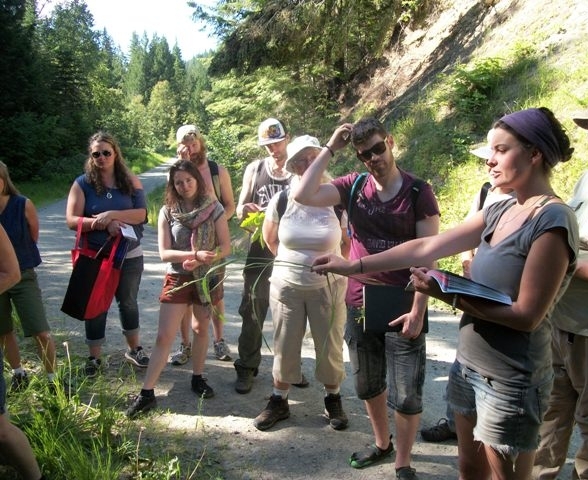
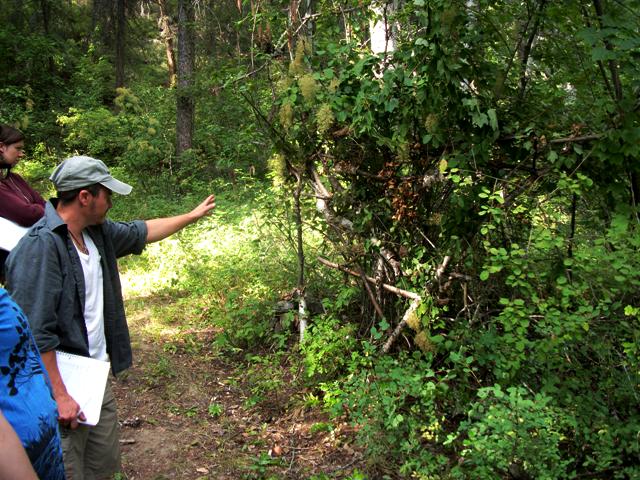
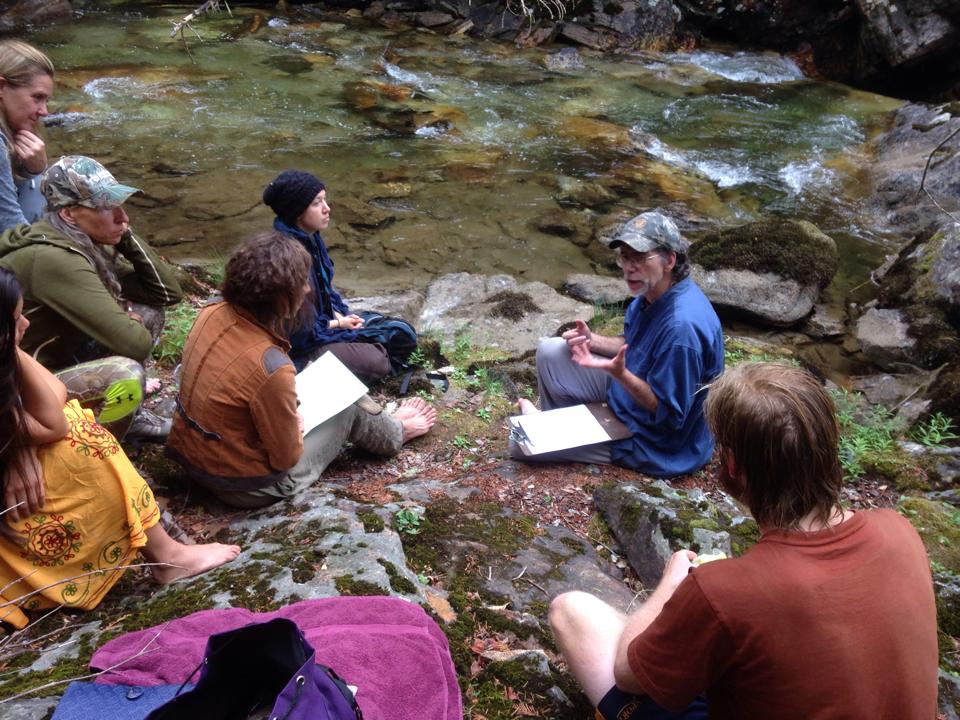
While online participation is available, the in-person experience is central to the depth of this work. Bioregional leadership cannot be fully understood through screens.
- Watersheds must be walked.
- Forests must be observed.
- Soils must be examined.
- Water flow must be traced.
- Conversations must happen face-to-face.
In wilderness and forest settings:
- Systems thinking becomes tangible.
- Long-term perspective deepens.
- Strategic clarity strengthens.
- Cohort trust accelerates.
Immersion in living ecosystems restores scale awareness. It anchors planning in reality rather than abstraction. The forest teaches timelines no classroom can. The land reminds us that infrastructure and economy ultimately depend on living systems. For those able to attend in person, the experience is transformative — intellectually, strategically, and personally.
The Opportunity
The coming decades will reward regions that:
- Secure food locally
- Protect watersheds
- Transition energy intelligently
- Own essential infrastructure
- Strengthen manufacturing
- Attract outside revenue responsibly
- Align economy with ecology
The Bioregional Specialist Certification exists to train the leaders who will guide that transition. If you are ready to operate at regional scale — and help shape the next 100–300 years — we invite you to apply.
Application requires an interview by phone or online.
Contact:
By phone - Wildcraft Forest School at 250.547.2001
By email - wildcraftforestextension(at)gmail.com